A store relocation involves much more than just transporting tables, chairs, or merchandise to a new location. It requires strategic planning, from evaluating your new site, scheduling downtime, and notifying customers to prioritizing items for packing, to ensure your business reopens quickly with minimal impact on revenue.
For retail shops, cafes, and restaurants, early preparation prevents lost inventory, equipment damage, and unnecessary stress on moving day. Partnering with professional movers ensures that every stage of your store relocation is handled systematically, safely, and efficiently.
Key Takeaways
- Start your store relocation strategy early, from site selection to reopening, to minimize business downtime.
- Group inventory, equipment, and fragile items with clear labels for seamless moving & re-opening.
- Announce your new address across all channels early so customers can transition smoothly.
- Partner with professional movers offering specialized gear and site planning.
- Test all utilities, systems, and site infrastructure post-move to ensure business continuity.
What to Prepare Before a Store Relocation?
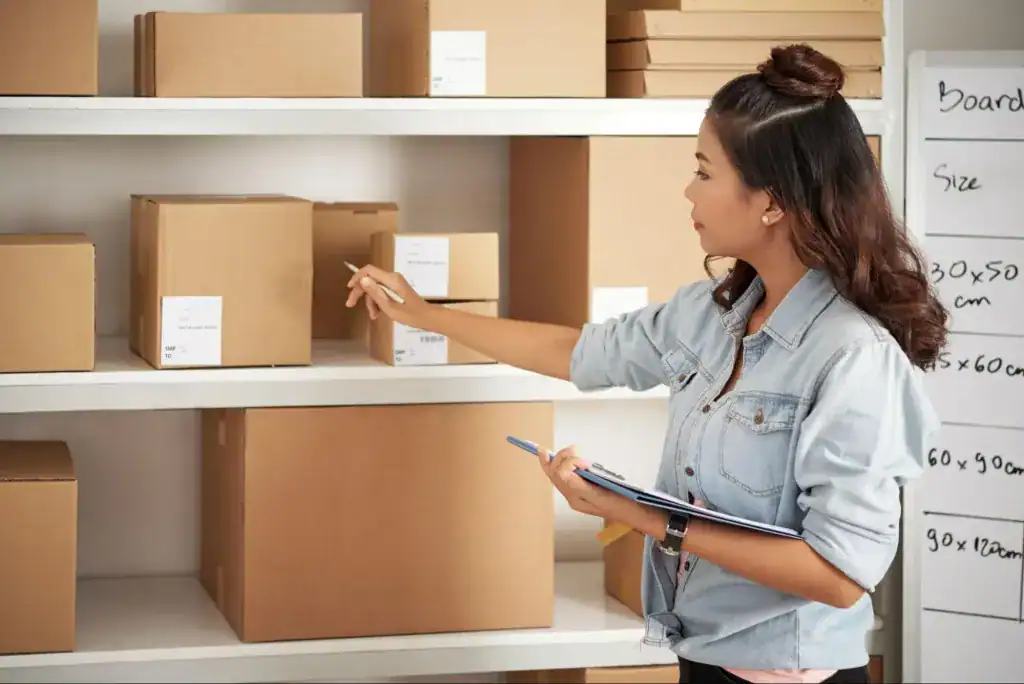
A store relocation requires early planning, structured across three key phases: pre-move preparation, moving day execution, and post-move reopening. Defining roles and responsibilities clearly across these stages minimizes operational downtime and ensures business continuity. Here is how to prepare effectively:
1.Plan & Assess the New Location
Inspect entryways, loading docks, elevators, moving time windows, and site restrictions, while pre-planning the layout for merchandise and equipment to streamline post-unloading setup.
2.Inform Your Customers in Advance
Announce your store relocation early using physical signage at your current shop and digital updates on your website and social media channels. Provide your new address, Google Maps location, temporary closure dates, and expected grand reopening date.
3.Organize Inventory, Inspect Equipment, & Prepare the Site
Sort and categorize items by priority, such as stock inventory, kitchen appliances, POS units, and fragile decor, while labeling each box clearly. Before moving day, inspect the new property’s electrical outlets, plumbing, and layout dimensions to ensure all fixtures fit seamlessly.
4.Execute the Store Relocation Systematically
Establish a clear moving sequence. For large furniture or bulky items, choose a team with proven expertise in household moving services or furniture moving services to help plan everything systematically from packing to final placement at the new store.
5.Promote Your Reopening
Once everything is set up, share photos of your new store, update digital map pins, and launch reopening promotions to drive foot traffic. If permitted, keep a temporary directional sign at your previous location.
Should You Hire Professional Store Relocation Services? Pros and Cons
Hiring professional moving services significantly reduces the burden on business owners, especially for stores with large inventories, heavy equipment, or extensive display fixtures. Below are the key advantages and potential limitations to consider:
Pros
- Saves time and effort with specialized moving crews and equipment.
- Minimizes the risk of damage to inventory, furniture, and equipment during packing and transport.
- Professional movers provide site protection at both locations to prevent building damage.
- Ideal for stores with large, fragile, or specialized items.
- Providing store details in advance ensures the right vehicles, equipment, and crew size are assigned.
Cons
- Incurs additional costs compared to a DIY move.
- Service scopes vary by provider, requiring careful review of distance limits, item types, and included services.
How to Choose the Right Store Relocation Company
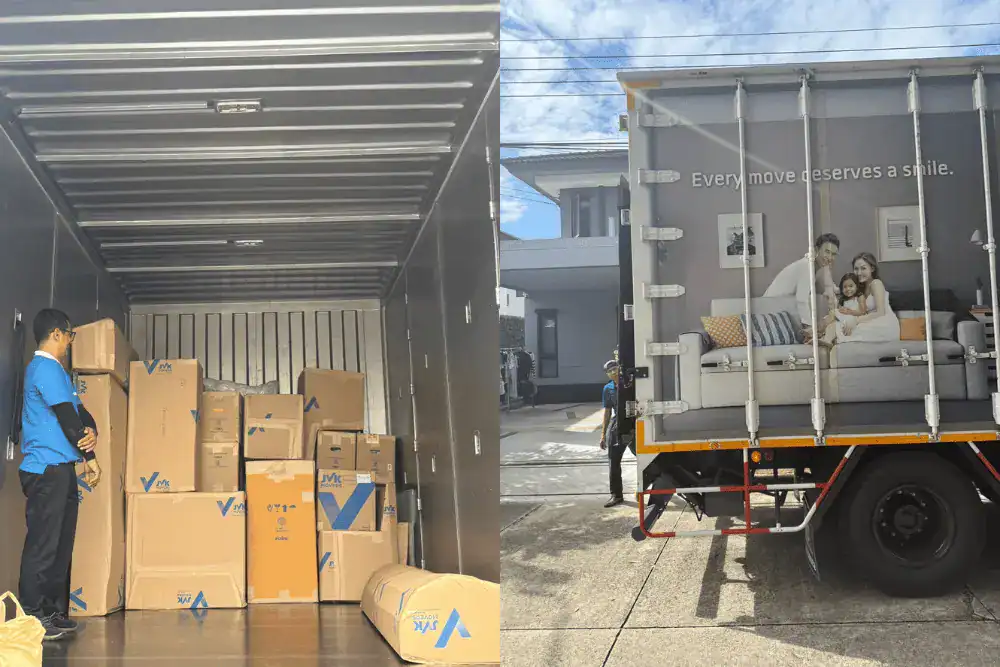
Choosing the right moving services depends on your store layout and the types of items being moved. Since every site has unique requirements, consider the following key factors before making a decision:
- Look for providers with experience in retail, restaurant, office moving services, or exhibition moving services to ensure proper item handling.
- Review past projects and read customer feedback on our moving service reviews page or reviews of similar moving services to evaluate the provider’s operational standards.
- Verify clear insurance coverage and liability terms for any damage that may occur during relocation.
- Ensure the provider has suitable equipment and a qualified crew for your site, including transport vehicles, lifting tools, and proper packing materials.
- Comprehensive step-by-step planning, from site evaluation and moving order to final setup at the new site.
- Clear pricing and service scope to make cost and service comparisons easier before making a final decision.
Post-Store Relocation: What to Do After Moving?
After completing the store relocation, thoroughly check your new store’s readiness before reopening to ensure that the space, equipment, and customer-facing information are fully updated. Follow these key steps:
- Set up products and equipment in their proper places while inspecting for any damage after store relocation.
- Check electricity, water, internet, and essential machinery to ensure they are fully operational.
- Update your address, phone number, and location details across all online platforms.
- Announce to existing customers that your store is now open for business at the new location.
- Run grand reopening promotions or marketing campaigns to re-engage existing customers and attract local foot traffic.
Why Choose JVK Movers for Your Store Relocation?
Relocating a store involves managing diverse inventory types, specialized equipment, and unique site limitations. Choosing a moving team that plans meticulously and manages every step systematically is essential. JVK Movers offers the following key strengths:
- Care at every stage, from packing and transit to final placement and post-move cleanup.
- A highly experienced, professionally trained crew that understands proper handling for delicate items, specialized gear, and commercial inventory.
- Appropriate equipment and techniques to handle large, fragile, or complex machinery safely.
- Detailed planning and execution to ensure sequential moving and minimize business disruption.
- A fully equipped fleet and specialized tools capable of handling jobs of any scale and site condition.
Systematic Store Relocation: Get Your Business Back Up and Running Quickly
A well planned relocation minimizes operational downtime and ensures your store reopens on schedule, whether it involves preparing inventory, equipment, a new space, or notifying your customers.
For business owners looking to streamline the moving process, JVK Movers provides end-to-end management tailored to your specific site needs, from packing and transit to final placement at your new location. We also offer free on-site surveys with no obligation.
Get in touch with us:
- Facebook : JVK International Movers
- IG : JVK International Movers
- LINE : @jvkmovers
- Tel : 02 379 4646
Contact Us for an On-Site Assessment Now
Frequently Asked Questions (FAQ) About Store Relocation
Do I need to inform the Revenue Department during a store relocation?
Yes. Changing your business location requires updating your official registration details with the relevant authorities, depending on your entity type.
What is the best day for a store relocation according to Thai tradition?
You can select an auspicious day according to your beliefs, provided it allows sufficient setup time and minimizes disruption to your business sales.
How much time and cost are involved in moving a restaurant?
Time and cost vary based on inventory volume, distance, specialized equipment, and site accessibility. An on-site survey is recommended for an accurate estimate.
What should I do if foot traffic drops after store relocation?
Inform existing customers online, display signage at the old location, update your Google Business Profile and social media, and offer grand reopening promotions to attract local traffic.
What needs to be done for delivery-based stores (e.g., Grab / LINE MAN)?
You should update your new store address in the systems of delivery platforms such as Grab and LINE MAN, as well as check the service area, operating hours, and storefront information for accuracy. This ensures continuous customer ordering and reduces delivery errors.