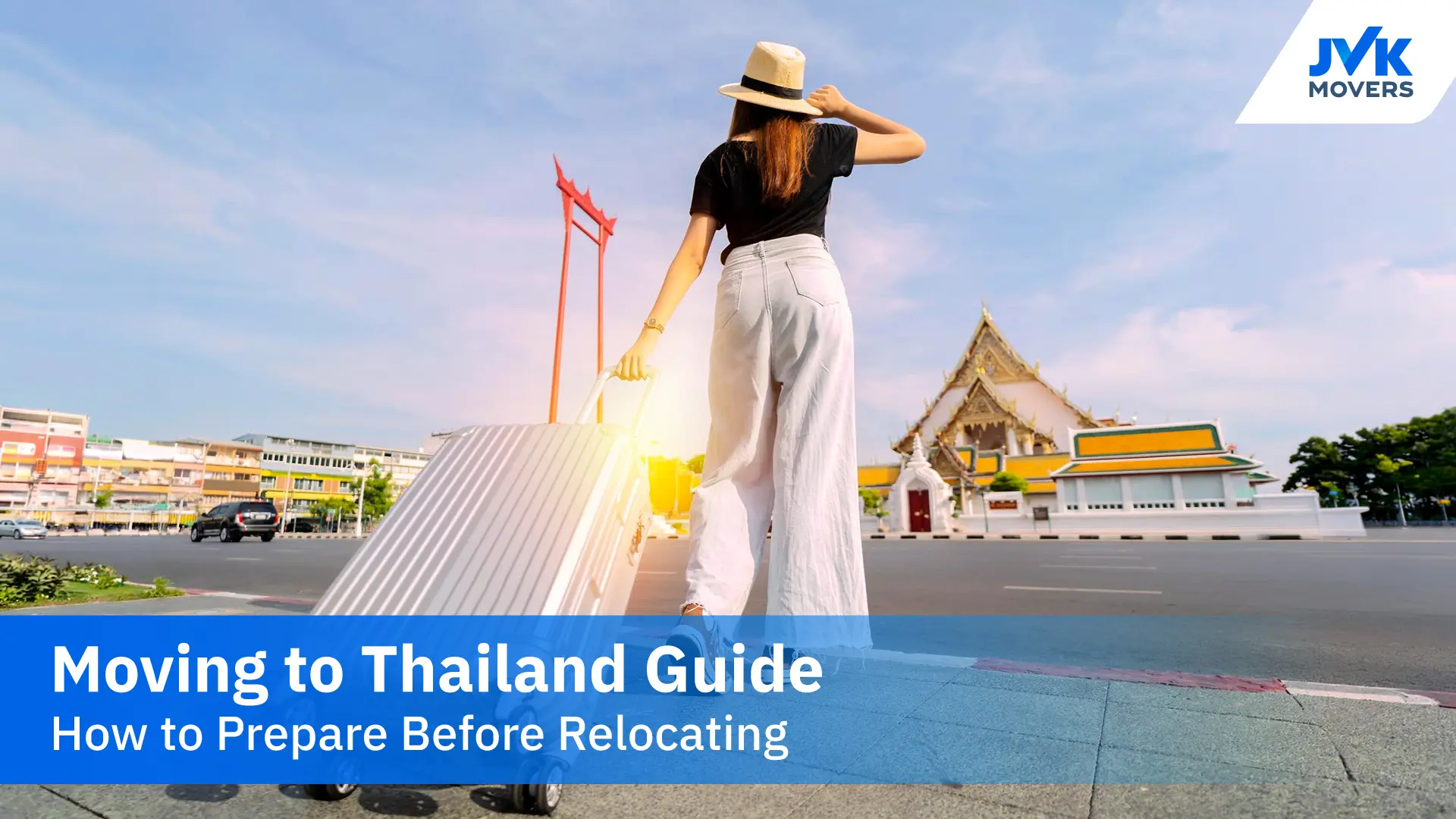
Thailand continues to attract expats, digital nomads, retirees, and international businesses from around the world. From affordable living costs and world-famous cuisine to modern cities and beautiful beaches, there are many reasons why people are interested in moving to Thailand for work, retirement, or a lifestyle change.
Whether you are relocating alone, with family, or moving an entire office overseas, planning ahead can help make the transition smoother. In this guide, we’ll cover everything you need to know before relocating to Thailand, including visas, living costs, healthcare, culture, and choosing the right relocation partner.
Key Takeaways
- Thailand is a popular destination for expats, retirees, and business relocation.
- Proper planning for visas, housing, and finances is essential before moving.
- The cost of living in Thailand can be affordable depending on lifestyle and location.
- Professional moving companies can simplify international relocation.
- Preparation helps ensure a smooth and stress-free move to Thailand.
Why Are So Many People Moving to Thailand?

Thailand has become one of Southeast Asia’s most popular destinations for expats. Major cities like Bangkok, Chiang Mai, and Phuket offer modern lifestyles while maintaining a unique cultural identity.
Some of the biggest reasons foreigners choose Thailand include
- Lower cost of living compared to many Western countries
- Warm weather throughout the year
- Delicious food and affordable dining
- Friendly local communities
- Growing business and startup opportunities
- Convenient transportation and infrastructure
- Access to private healthcare and international schools
Thailand is also strategically located in Southeast Asia, making it ideal for regional business operations and international travel.
Things to Prepare Before Moving to Thailand
Before starting your international relocation, it’s important to prepare your documents, finances, healthcare coverage, and daily living arrangements carefully. Proper planning can help make your experience of moving to Thailand much smoother and reduce unexpected problems after arrival.
1. Prepare Important Documents and Visa Requirements
Choosing the correct visa is one of the most important steps before relocating to Thailand. The country offers several visa options depending on your purpose of stay, such as
- Tourist Visa
- Non-Immigrant B Visa (Business or Work)
- Retirement Visa
- Education Visa
- Marriage Visa
- Long-Term Resident (LTR) Visa
If you plan to work in Thailand, you must also apply for a valid Work Permit.
Because immigration regulations may change over time, many expats choose to work with an global relocation services or professional moving companies that can assist with documentation and relocation support.
In addition, all foreign travelers entering Thailand are required to complete the Thailand Digital Arrival Card (TDAC) online within 3 days before arrival. Preparing these documents in advance can help avoid delays during immigration procedures.
2. Healthcare and Insurance Preparation
Health insurance is highly recommended for anyone planning on moving to Thailand, especially if you want access to leading private hospitals and international healthcare services.
Most expats choose international health insurance plans that provide coverage throughout their stay in Thailand. This is particularly important for families, retirees, and long-term residents.
If you have any existing medical conditions, you should also prepare
- Medical records
- Prescription documents
- Sufficient medication for the first few months after relocation
Thailand offers high-quality healthcare, but having insurance coverage can help reduce medical expenses and provide peace of mind during your transition.
3. Financial Planning and Banking
Opening a Thai bank account is usually done after arrival, but financial preparation should begin before your move.
Important financial preparations include
- Planning international money transfers
- Comparing currency exchange rates
- Preparing proof of financial status
- Informing your bank about overseas transactions
You should also check whether your credit cards or debit cards can be used internationally for ATM withdrawals and cashless payments in Thailand.
For business owners or companies planning office relocation, early financial planning is especially important to ensure smooth operations during the transition period.
4. Preparing for Daily Life in Thailand
Booking temporary accommodation before arrival is highly recommended. Many expats stay in hotels or serviced apartments during the first 1-2 weeks while searching for long-term housing. This gives you time to
- Explore different neighborhoods
- Compare rental prices
- Understand transportation options
- Adjust to the local environment
Learning basic Thai phrases can help make daily life easier, especially for transportation, shopping, and communication. For smoother relocation, many expats and businesses choose professional moving companies and machinery moving service providers after checking a moving service review beforehand.
Popular Places to Live in Thailand
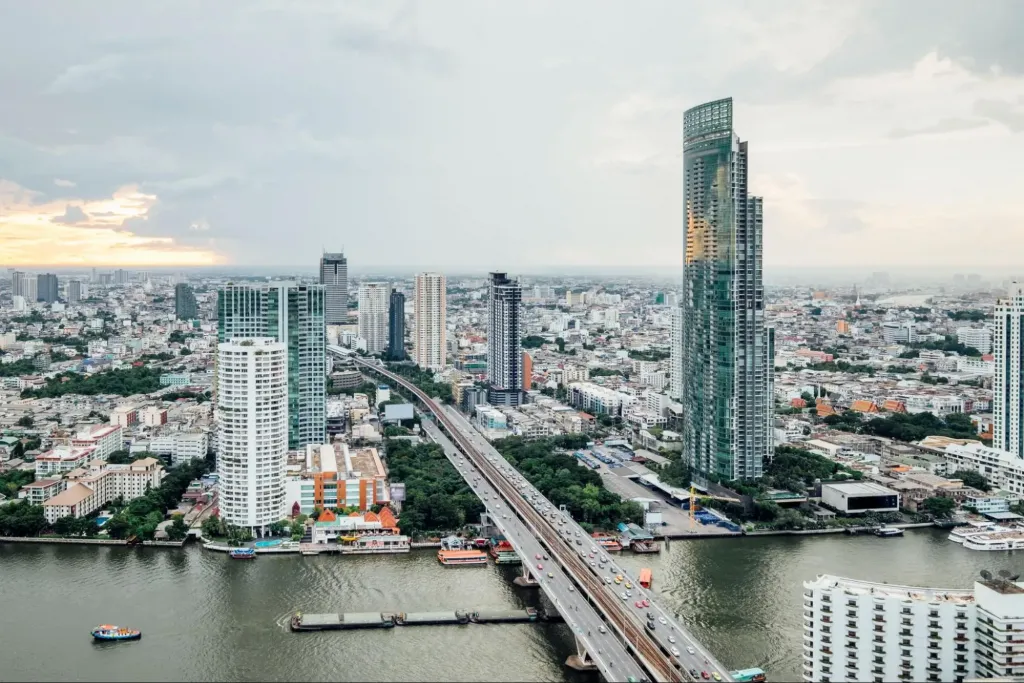
Different regions in Thailand offer very different lifestyles. Choosing the right location depends on your goals, budget, and work situation.
Bangkok
Bangkok is Thailand’s economic and business center. It offers
- International offices and corporate hubs
- Luxury condominiums
- Modern transportation systems
- International schools and hospitals
- Vibrant nightlife and shopping
Bangkok is ideal for professionals, entrepreneurs, and expats seeking urban convenience.
Chiang Mai
Chiang Mai is popular among digital nomads and retirees due to its relaxed atmosphere and lower living costs.
The city offers
- Cafés and coworking spaces
- Mountain scenery
- Slower-paced lifestyle
- Strong expat communities
Phuket
Phuket attracts expats looking for a beach lifestyle and tourism-related business opportunities.
Benefits include
- Beautiful beaches
- Luxury villas and resorts
- International schools
- Strong tourism infrastructure
However, transportation options are more limited compared to Bangkok.
Understanding Thai Culture and Customs
Learning local customs can make your relocation experience much easier.
Thai culture values
- Respect and politeness
- Calm communication
- Hierarchy and seniority
- Community harmony
A few important cultural tips
- Avoid touching someone’s head
- Dress respectfully at temples
- Remove shoes before entering homes or certain businesses
- Avoid raising your voice in public
The Thai greeting called the “wai” is commonly used in social and professional situations. Even basic Thai language skills can help expats integrate into local communities more smoothly.
Healthcare and Insurance in Thailand
Thailand is known for having excellent private healthcare facilities at relatively affordable prices. International hospitals in Bangkok and other major cities often provide
- English-speaking doctors
- Modern medical technology
- International patient services
- Specialized treatments
Many expats purchase international health insurance before moving to Thailand to ensure coverage for emergencies and private hospital care.
Healthcare costs are generally lower than in Europe or North America, but comprehensive insurance is still strongly recommended.
Banking and Finance in Thailand
Opening a Thai bank account can help simplify daily expenses such as rent payments, utility bills, and mobile banking.
Commonly required documents include
- Passport
- Visa
- Proof of address
- Work permit (in some cases)
Thailand has modern digital banking systems, and cashless payments are widely accepted in urban areas.
Before relocating, it’s also wise to
- Inform your current bank
- Prepare international transfer options
- Understand exchange rate fees
- Research tax obligations in both countries
How to Choose the Right Global Relocation Services
Choosing a reliable global relocation services is one of the most important decisions during your move. Here are some factors to consider
Experience With International Relocation
Look for companies with proven expertise in
- Customs clearance
- International shipping
- Packing fragile items
- Overseas coordination
One key indicator of a trustworthy international mover is FIDI accreditation, the only independently audited certification dedicated exclusively to the international moving industry. Most international move customers, especially embassies, will only work with FIDI-accredited companies.
Transparent Pricing
Professional movers should provide clear quotations without hidden fees.
Insurance and Safety Standards
International moves involve long-distance transportation, so proper insurance coverage is essential.
Customer Feedback
Reading a moving service review can help you understand real customer experiences and service quality before making a decision.
Start Your Relocation to Thailand with Confidence
Thailand continues to be a top destination for expats, retirees, business owners, and international organizations. Whether you are moving for work, lifestyle, or business expansion, careful planning is the key to a smooth relocation experience from visas and accommodation to international shipping and office relocation.
If you are looking for a reliable international moving company, JVK Movers offers both domestic and international moving services for individuals and businesses, including home relocation, office moving services, and logistics solutions for those moving to Thailand or relocating overseas. For business customers who also do international business, import-export SCGJWD is ready to support you with end-to-end logistics solutions.
Frequently Asked Questions
Is $1000 a month enough to live in Thailand?
Yes, $1,000 per month can be enough for a basic lifestyle in Thailand, especially in smaller cities, but it may be limited in Bangkok or for a more comfortable lifestyle.
Is Thailand a good country to move to?
Thailand is considered a great place to move due to its low cost of living, warm climate, quality healthcare, and strong expat communities.
How long will $100,000 last in Thailand?
$100,000 can last around 3-6 years or more in Thailand depending on your lifestyle, location, and spending habits.